
Blog
Best Herbs Blood Pressure: Top 9 Natural Remedies

Understanding High Blood Pressure (Hypertension)
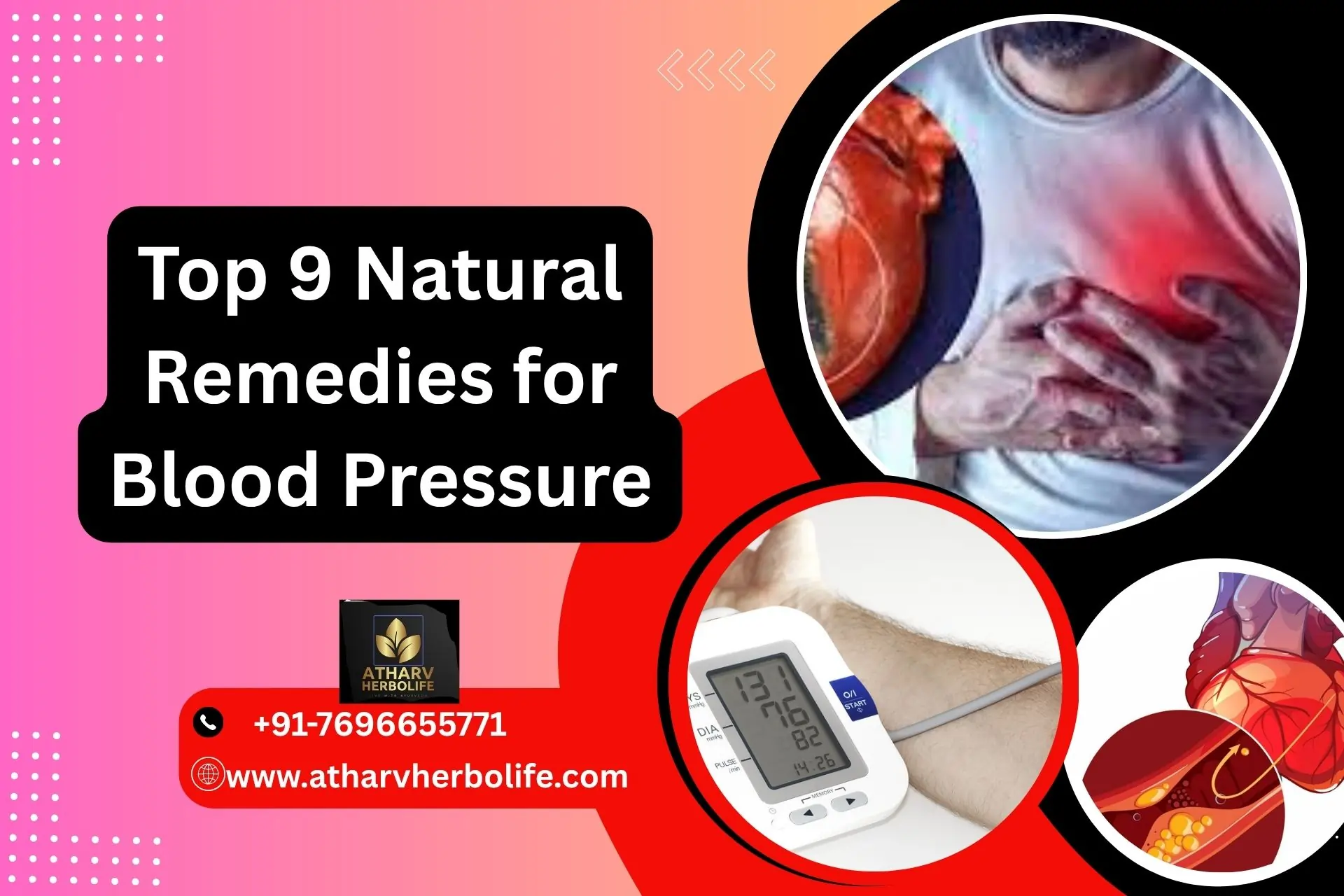
High blood pressure, often called the “silent killer,” creeps into your life without obvious symptoms but quietly damages your heart, brain, and kidneys over time. Imagine your blood vessels as flexible pipes—when pressure inside them stays too high for too long, those pipes begin to wear out, stiffen, and even crack under strain. According to global health data, hypertension affects over a billion people worldwide, making it one of the most common yet dangerous health conditions today . That’s not just a statistic—it’s a wake-up call.
What Causes High Blood Pressure?
The causes of high blood pressure are rarely simple. It’s usually a mix of poor diet, excess salt intake, stress, lack of exercise, and sometimes genetics. Think of it like a pressure cooker—too much salt, too much stress, and not enough release valves (like exercise or relaxation) can push your body into a constant state of tension. Over time, this leads to hardened arteries, reduced blood flow, and increased risk of heart attack or stroke.
Why Managing Blood Pressure Naturally Matters
While medications are often necessary, many people are turning to natural remedies—especially herbs—to support their heart health. Why? Because herbs don’t just target symptoms; they often work on the root causes like inflammation, oxidative stress, and poor circulation. However, herbs should never replace prescribed treatment but can act as powerful allies when used wisely.
Can Herbs Really Lower Blood Pressure?
Let’s get real—can something as simple as a kitchen herb actually influence something as serious as blood pressure? The answer is: yes, but with nuance.
Scientific Evidence Behind Herbal Remedies
Recent studies and meta-analyses show that certain herbs can significantly reduce blood pressure. For instance, research involving over 3,500 participants found that herbs like celery, garlic, and hibiscus showed measurable reductions in systolic blood pressure . Some herbs work by increasing nitric oxide, which relaxes blood vessels, while others reduce inflammation or act as natural diuretics.
Limitations and Safety Considerations
That said, herbs are not magic pills. Their effects are usually mild to moderate and depend heavily on consistency, dosage, and overall lifestyle. Experts emphasize that herbs work best when combined with a healthy diet, reduced sodium intake, and regular physical activity . Always consult a healthcare provider before adding herbal supplements, especially if you’re already on medication.
The 9 Best Herbs for Lowering Blood Pressure
1. Garlic
Garlic isn’t just for flavor—it’s one of the most researched natural remedies for hypertension. It contains a compound called allicin, which helps relax blood vessels and improve blood flow. Think of it as a natural “vasodilator” that gently widens your arteries, making it easier for blood to pass through.
How Garlic Works
Garlic boosts nitric oxide production in the body, which relaxes the muscles of blood vessels and reduces pressure . Some studies even suggest it may reduce cardiovascular risk by up to 40%. Regular consumption, whether raw or cooked, can gradually improve heart health.
2. Hibiscus
Hibiscus tea is not just refreshing—it’s a powerhouse for lowering blood pressure. Its deep red color comes from antioxidants that support heart health.
Benefits of Hibiscus Tea
Hibiscus works by acting as a natural ACE inhibitor, similar to some blood pressure medications. It helps relax blood vessels and reduce systolic pressure. Clinical studies have shown that regular consumption can significantly lower blood pressure levels.
3. Cinnamon
Cinnamon is more than a sweet spice—it plays a surprising role in heart health.
Cinnamon’s Impact on Blood Circulation
Cinnamon helps improve insulin sensitivity and reduce inflammation, both of which are linked to high blood pressure. It also enhances blood circulation, making it easier for the heart to pump efficiently.
4. Ginger
Ginger is like a warming hug for your circulatory system.
Anti-inflammatory Power of Ginger
It acts similarly to calcium channel blockers, helping blood vessels relax and improving circulation. Research suggests ginger can lower systolic blood pressure while also improving cholesterol levels .
5. Turmeric
Turmeric’s golden color hides a powerful compound—curcumin.
Curcumin and Heart Health
Curcumin reduces inflammation and oxidative stress, both major contributors to hypertension. While its direct effect on blood pressure may be modest, it significantly improves overall cardiovascular health .
6. Basil (Tulsi)
Tulsi, often called “holy basil,” is deeply rooted in Ayurvedic medicine.
Stress Reduction and BP Control
Stress is a major trigger for high blood pressure, and Tulsi helps regulate cortisol levels. By calming the nervous system, it indirectly lowers blood pressure and improves overall well-being.
7. Cardamom
This aromatic spice is a hidden gem for heart health.
Natural Vasodilation Effects
Cardamom acts as a natural diuretic and helps relax blood vessels. Some studies suggest it can significantly reduce blood pressure when consumed regularly .
8. Celery Seed
Celery seed might not be popular, but it’s incredibly powerful.
Evidence-Based Effectiveness
Research shows celery can reduce systolic blood pressure by nearly 10 mmHg, making it one of the most effective herbal remedies . It works by blocking calcium channels and relaxing blood vessels.
9. Flaxseed
Flaxseed is technically a seed, but it functions like a medicinal herb.
Omega-3 and Blood Pressure
Rich in omega-3 fatty acids and fiber, flaxseed improves arterial function and reduces inflammation. Regular intake has been linked to noticeable reductions in blood pressure.
Comparison Table of Herbs and Their Benefits
| Herb | Key Benefit | Mechanism | Best Form |
|---|---|---|---|
| Garlic | Strong BP reduction | Nitric oxide production | Raw/cloves |
| Hibiscus | Lowers systolic pressure | ACE inhibition | Tea |
| Cinnamon | Improves circulation | Anti-inflammatory | Powder |
| Ginger | Enhances blood flow | Calcium channel blocking | Fresh/tea |
| Turmeric | Reduces inflammation | Curcumin activity | Powder/milk |
| Tulsi | Reduces stress | Cortisol regulation | Tea/leaves |
| Cardamom | Improves vessel function | Vasodilation | Powder/seeds |
| Celery Seed | Strong clinical evidence | Calcium channel blocking | Extract/seeds |
| Flaxseed | Supports heart health | Omega-3 fatty acids | Ground seeds |
How to Use These Herbs Safely
Using herbs is not about dumping everything into your diet at once—it’s about consistency and balance. Start small. Add garlic to your meals, sip hibiscus tea in the evening, or sprinkle flaxseed on your breakfast. The key is regular intake over time, not quick fixes.
Be cautious with supplements, especially if you’re already taking blood pressure medication. Some herbs can amplify the effects of drugs, leading to dangerously low blood pressure. Always consult a healthcare professional before starting any herbal regimen.
Lifestyle Changes That Enhance Herbal Effects
Herbs alone won’t solve the problem if your lifestyle is working against you. Think of herbs as teammates, not solo players. Reducing salt intake, exercising regularly, managing stress, and getting enough sleep are all essential.
Interestingly, replacing salt with herbs can significantly reduce blood pressure within weeks, simply by lowering sodium intake . Combine that with regular physical activity and a balanced diet, and you’ve got a powerful strategy for long-term heart health.
Conclusion
Nature has always provided powerful tools for healing, and these nine herbs are proof of that. From garlic’s vessel-relaxing properties to hibiscus tea’s heart-friendly antioxidants, each herb offers a unique way to support healthy blood pressure. But remember, herbs are not miracle cures—they’re part of a bigger picture that includes diet, lifestyle, and medical guidance.
If you treat your body like a well-tuned machine—fuel it right, maintain it consistently, and listen to its signals—you’ll find that managing blood pressure becomes not just possible, but sustainable.
FAQs
1. Which herb is most effective for lowering blood pressure?
Garlic and celery seed are among the most effective, backed by strong scientific evidence showing significant reductions in blood pressure.
2. How quickly do herbs lower blood pressure?
Some effects can be seen within weeks, but consistent use over months delivers the best results.
3. Can I stop my medication if I use herbs?
No, herbs should complement—not replace—medical treatment unless advised by a doctor.
4. Is hibiscus tea safe for daily use?
Yes, in moderate amounts, hibiscus tea is generally safe and beneficial for heart health.
5. Are there any side effects of using herbs for blood pressure?
Some herbs can interact with medications or cause digestive issues, so professional guidance is recommended.