
Blog
Ayurvedic Solutions for Diabetes | Holistic Care


Diabetics patients symptoms and solutions with F Q in ayurveda
Diabetes is a growing health concern worldwide. It affects millions of people, causing various health issues. Managing diabetes effectively is crucial for maintaining a healthy life.
Ayurveda offers a unique approach to diabetes care. This ancient Indian system of medicine focuses on natural and holistic solutions. It emphasizes balancing the body’s energies, known as doshas.
Understanding diabetic symptoms is the first step in managing the condition. Common symptoms include frequent urination, excessive thirst, and fatigue. Recognizing these signs early can lead to better management.
Ayurvedic solutions for diabetes involve herbal remedies and lifestyle changes. Herbs like bitter gourd and fenugreek are known for their blood sugar-lowering properties. These natural remedies can complement conventional treatments.
Diet plays a significant role in diabetes management. Ayurveda recommends a balanced diet rich in fiber and low in refined sugars. This helps in maintaining stable blood sugar levels.
Regular physical activity is also essential. Yoga and exercise improve insulin sensitivity and help manage weight. These practices are integral to holistic diabetes care.
Stress management is another crucial aspect. Techniques like meditation and pranayama can reduce stress and improve overall well-being. Ayurveda emphasizes the importance of mental and emotional health.
Consulting with a qualified Ayurvedic practitioner is recommended. They can provide personalized treatment plans based on individual needs. This ensures a comprehensive approach to diabetes care.
Embracing Ayurveda can lead to sustainable diabetes management. It offers a path to improved health and quality of life.
Understanding Diabetes: An Overview
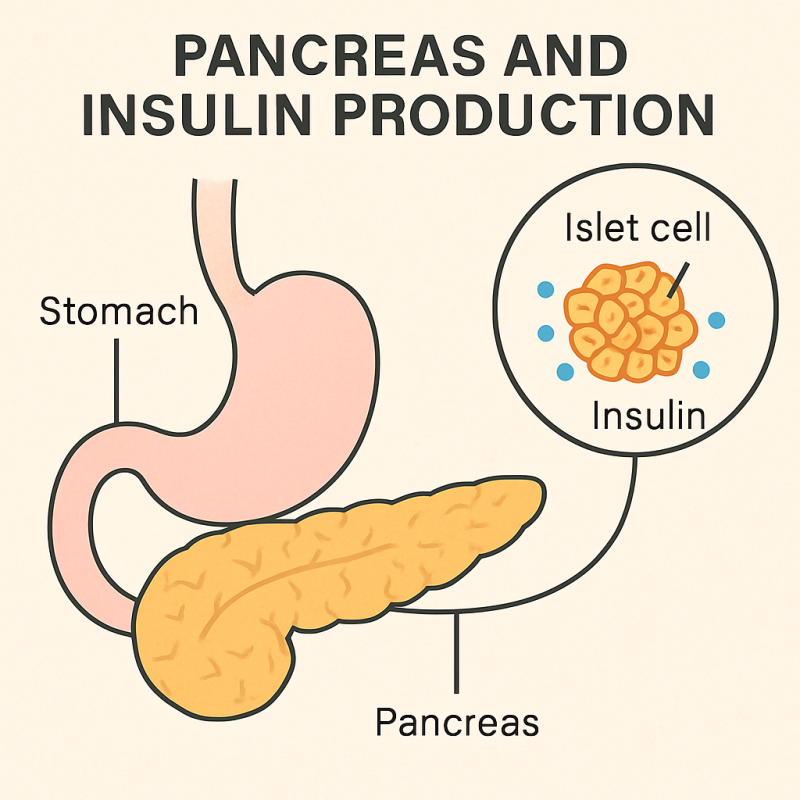
Diabetes is a chronic condition that affects how your body processes blood sugar. It involves problems with insulin production or function. Insulin is a hormone essential for blood sugar regulation.
There are mainly two types of diabetes: Type 1 and Type 2. Type 1 diabetes occurs when the body fails to produce insulin. It typically presents early in life and requires insulin therapy.
On the other hand, Type 2 diabetes is more common. It usually develops in adults but is increasingly seen in younger people. This type is often related to lifestyle factors and can sometimes be managed without insulin.
Managing diabetes involves monitoring blood sugar levels closely. Regular check-ups and lifestyle changes are key components. Proper management can prevent complications like heart disease and nerve damage.
Recognizing the symptoms early can make a significant difference. Look out for excessive thirst, hunger, weight loss, and fatigue. These signs warrant a medical evaluation to rule out diabetes.
Diabetes necessitates an integrative approach to treatment. Here are the core aspects:
- Lifestyle modifications
- Regular monitoring
- Medication or insulin therapy
- Dietary adjustments
- Physical activity
Understanding the basics of diabetes helps in managing the condition effectively. Educating oneself about this disease empowers better decision-making. It leads to improved health outcomes and quality of life.
Common Symptoms of Diabetes
Recognizing diabetes early can prevent complications. Various symptoms arise due to high blood sugar levels. They often appear gradually and may be overlooked initially.
Frequent urination is among the first signs of diabetes. It’s due to the kidneys trying to eliminate excess sugar. This symptom often leads to dehydration and thirst.
Intense thirst accompanies frequent urination, further increasing water intake. Despite drinking more, dehydration persists. This cycle often exacerbates other symptoms.
Unexplained weight loss is another common symptom. It results from the body using fat and muscle for energy instead of sugar. This can occur despite a normal or increased appetite.
Persistent hunger, known as polyphagia, is linked to low insulin or insulin resistance. The body mistakenly senses energy deficiency, causing constant hunger. This can lead to overeating and further blood sugar complications.
Fatigue is a notable symptom due to cells being deprived of sugar. Sugar is an energy source that, when blocked, leads to tiredness. This fatigue affects daily activities, diminishing the quality of life.
Vision changes like blurred vision may arise as blood sugar levels fluctuate. High levels can cause the eyes to swell, affecting focus. Consistent blood sugar control can mitigate this issue.
- Frequent urination
- Excessive thirst
- Unexplained weight loss
- Persistent hunger
- Fatigue
- Blurred vision
It’s important to consult a healthcare provider if these symptoms appear. Early diagnosis allows for effective management strategies. Addressing these symptoms can lead to better overall health outcomes.
Ayurveda’s Perspective on Diabetes (Madhumeha)
Ayurveda views diabetes through a lens unique from Western medicine. Known as Madhumeha, which translates to “honey urine,” it reflects the symptom of sweet-smelling urine.
In Ayurveda, diabetes is believed to result from imbalances in the body’s doshas. The condition mainly involves Kapha dosha, responsible for metabolism and immunity. However, Vata and Pitta doshas can also play a significant role.
The approach highlights the importance of digestion. Poor digestion, according to Ayurveda, is a major contributor to diabetes. It disrupts metabolism, leading to the improper breakdown and assimilation of sugars.
Lifestyle irregularities are also emphasized in Ayurveda. Erratic eating habits, sedentary behavior, and excessive stress are seen as precursors. These factors exacerbate dosha imbalances and can trigger Madhumeha.
The holistic nature of Ayurveda takes a person-centered approach. It emphasizes the individual’s constitution or Prakriti. Treatment involves creating balance among the doshas, restoring natural harmony.
Key signs identified in Ayurvedic texts include:
- Sweet-smelling urine
- Constant fatigue
- Excessive thirst and hunger
- Heaviness in the body
- Oily and foul-smelling stools
- Slow healing wounds
Solutions recommended by Ayurveda for diabetes care include herbal remedies, dietary adjustments, and detoxification methods. These are aimed at restoring dosha balance and enhancing overall health. By addressing the root cause, Ayurveda offers a sustainable path for diabetes management, emphasizing prevention and long-term care.
Ayurvedic Diagnosis: Assessing Doshas and Prakriti
Ayurvedic diagnosis starts with understanding an individual’s unique Prakriti. Prakriti defines the constitution that guides personalized treatment. Each person has a combination of Vata, Pitta, and Kapha doshas.
In Ayurveda, diagnosis involves examining physical, mental, and emotional traits. This comprehensive approach helps identify dosha imbalances specific to the individual.
Practitioners assess symptoms and habits in detail. They inquire about sleep patterns, appetite, and emotional responses to evaluate dosha balance. This holistic assessment is crucial for effective diabetes management.
Key elements considered during diagnosis include:
- Body Type: Identifying predominant doshas
- Metabolic Function: Evaluating digestion and energy levels
- Emotional State: Observing stress and mood patterns
- Lifestyle Habits: Reviewing daily routines and diet
- Family History: Considering genetic predispositions
Once the doshas are assessed, a personalized plan is crafted. This plan may include dietary suggestions, herbal remedies, and lifestyle changes. The goal is to realign the doshas and promote well-being, providing a tailored approach to managing diabetic symptoms through natural and holistic avenues. This individualized care is central to Ayurvedic practice, ensuring treatments align with each person’s intrinsic nature and health needs.
Root Causes of Diabetes According to Ayurveda
Ayurveda attributes diabetes to imbalances in the body’s doshas. Primarily, it is linked to an imbalance in the Kapha dosha.
Excessive intake of sweet, oily, and heavy foods can disrupt Kapha. This imbalance affects digestion and metabolism, leading to elevated blood sugar levels.
Sedentary lifestyle is another contributing factor. Lack of movement decreases digestive fire, known as “Agni” in Ayurveda. Weak Agni leads to improper digestion and toxin accumulation.
Mental and emotional stress are also critical factors. Stress can disturb the Vata and Pitta doshas, further complicating the body’s balance.
Key Ayurvedic concepts include:
- Dietary Imbalance: Overconsumption of sweets and fats.
- Sedentary Lifestyle: Insufficient physical activity.
- Emotional Stress: Negative impact on mind and body.
- Poor Digestion: Weak Agni causing toxin build-up.
- Sleep Disorders: Disrupting natural rhythms.
Understanding these root causes helps tailor effective treatments. By addressing both physiological and psychological aspects, Ayurveda offers a holistic approach. This comprehensive strategy restores balance, aiming to tackle the root causes rather than just the symptoms.
Natural Diabetes Solutions: Ayurvedic Herbs and Remedies
Ayurveda offers a wealth of natural solutions for managing diabetes. These remedies primarily focus on herbs known for their healing properties.
Bitter gourd is a staple in Ayurvedic treatment for diabetes. It is rich in plant insulin, which aids blood sugar control.
Fenugreek seeds are another potent remedy. They improve glucose tolerance and slow down sugar absorption in the stomach.
Neem leaves are highly praised for their anti-diabetic qualities. They enhance insulin receptor sensitivity, making them effective for blood sugar regulation.
Herbal concoctions are often prepared to leverage the synergistic effect of multiple herbs. These preparations help to balance doshas and restore health.
Ayurvedic herbs commonly used for diabetes management:
- Bitter Gourd: Reduces blood glucose levels.
- Fenugreek Seeds: Enhances insulin sensitivity.
- Neem Leaves: Regulates sugar levels.
- Cinnamon: Helps in blood sugar control.
- Turmeric: Contains curcumin, which reduces inflammation.
In addition to herbs, dietary modifications play a crucial role. A diet rich in fiber, with minimal refined sugars, is recommended.
Dietary changes that complement Ayurvedic treatments:
- High Fiber Intake: Supports healthy digestion and blood sugar balance.
- Low Refined Sugar: Minimizes blood sugar spikes.
- Balanced Meals: Ensures overall nutritional balance.
Triphala, a renowned Ayurvedic mixture, supports digestive health. It purifies the body and optimizes the functionality of digestive organs.
Another essential practice in Ayurveda is the use of medicated ghee. Ghee fortified with herbs like Ashwagandha aids in balancing mental and physical states.
These herbal and dietary remedies encourage holistic health. They aim to target not just the symptoms but the root causes of diabetes. Through this balanced approach, Ayurveda provides a pathway to improved wellness and sustained health management.
Dietary Recommendations in Ayurveda for Diabetic Patients
In Ayurveda, diet plays a pivotal role in managing diabetes. Proper nutrition can significantly impact blood sugar levels and overall health.
The primary focus is on a Sattvic diet. This includes fresh, pure, and easily digestible foods.
Whole grains are preferred over processed ones. Brown rice, millets, and barley are recommended choices.
Protein sources like lentils, beans, and tofu are advisable. They stabilize blood sugar and provide essential amino acids.
Fiber-rich foods are emphasized as they promote healthy digestion and glucose absorption.
Key food groups to include:
- Whole Grains: Brown rice, barley, millets.
- Legumes: Lentils, chickpeas, kidney beans.
- Fruits and Vegetables: Particularly leafy greens and berries.
Ayurveda recommends avoiding foods high in sugar and fat. This includes refined sugars, pastries, and deep-fried items.
Spices play an essential role in Ayurvedic cuisine. Turmeric and cinnamon, for example, help in metabolizing sugars.
Important spices for diabetes management:
- Turmeric: Reduces inflammation and aids digestion.
- Cinnamon: Regulates blood sugar and increases sensitivity to insulin.
- Fenugreek: Slows sugar absorption and aids metabolism.
Consuming small, frequent meals is advocated in Ayurveda. This helps maintain steady energy levels and manages hunger effectively.
Ayurveda also highlights the importance of mindful eating. Chewing slowly and enjoying each bite can aid digestion and ensure one eats appropriate amounts.
Incorporating warm, cooked foods over raw ones is often suggested. They are easier on the digestive system and provide comforting nourishment.
By aligning dietary practices with Ayurveda, one can achieve balance. Such alignment can significantly enhance the well-being of diabetic individuals, promoting long-term health benefits.
Lifestyle Modifications: Yoga, Exercise, and Dinacharya
Lifestyle changes are essential in managing diabetes. Incorporating yoga and exercise can greatly improve health.
Yoga emphasizes harmony and balance. It helps enhance insulin sensitivity and reduce stress.
Key yoga poses for diabetes:
- Surya Namaskar (Sun Salutation): Stimulates circulation and enhances flexibility.
- Vrikshasana (Tree Pose): Promotes balance and concentration.
- Bhujangasana (Cobra Pose): Strengthens the back and lowers stress.
Regular physical activity is crucial. It aids in weight control and improves cardiovascular function.
Simple exercises like walking and swimming are beneficial. They are low-impact but effective in boosting endurance.
Dinacharya, or daily routine, is a core Ayurvedic principle. It encourages consistency and discipline in everyday habits.
Essential aspects of Dinacharya for diabetics include:
- Waking up Early: Aligning with nature’s rhythms boosts metabolism.
- Oil Pulling: Promotes oral health and detoxification.
- Proper Meal Timing: Ensures optimal digestion and energy levels.
Adopting a routine helps regulate bodily functions. It prevents erratic eating patterns and promotes stability.
Ayurveda stresses the significance of synchronization with natural cycles. This can elevate mood, energy, and overall well-being.
Overall, merging yoga, consistent exercise, and a structured daily regimen fosters holistic health. These lifestyle modifications form a comprehensive strategy in diabetes management. Embracing these changes can lead to improved health outcomes for diabetic patients, promoting sustained wellness.
Panchakarma and Detoxification Therapies
Panchakarma is an ancient Ayurvedic detox method. It’s designed to cleanse the body of toxins and restore balance.
The therapy involves five distinct actions. Each targets specific areas to rejuvenate and heal.
Procedures in Panchakarma include:
- Vamana (Emesis Therapy): Induces vomiting to cleanse the stomach.
- Virechana (Purgation Therapy): Eliminates toxins from the intestines.
- Basti (Enema Therapy): Purifies the colon using herbal oils.
- Nasya (Nasal Administration): Clears toxins from the head region.
- Raktamokshana (Bloodletting): Removes impurities from the bloodstream.
These therapies aim to detoxify the body. They enhance digestion, metabolism, and immune function.
Panchakarma can be preventive or therapeutic. It’s effective in reducing blood sugar levels and managing diabetes.
Detoxification promotes better absorption of nutrients. This supports bodily systems in functioning optimally.
It’s crucial to undergo Panchakarma under expert guidance. An Ayurvedic practitioner assesses individual needs for tailored treatment.
By purifying the body, Panchakarma enhances overall health. It serves as a powerful tool for those seeking natural diabetes management. Embracing these cleansing therapies can lead to significant improvements in diabetic patients’ quality of life.
Stress Management and Emotional Well-being in Holistic Diabetes Care
Managing diabetes is not just about controlling blood sugar. It’s also about addressing stress and emotional health.
Stress can negatively impact diabetes management. It affects blood sugar levels and overall health.
Ayurveda emphasizes balancing the mind. This involves practices that foster calmness and emotional stability.
Several techniques can aid in stress reduction:
- Meditation: Cultivates a peaceful mind.
- Pranayama: Breathing exercises to enhance relaxation.
- Yoga: Combines movement with breath to reduce tension.
These practices not only calm the mind but also support physical health. They help improve insulin sensitivity and control weight.
Regular practice of these techniques can enhance well-being. Emotional balance contributes significantly to holistic diabetes care.
By reducing stress, individuals can better manage diabetes symptoms. Improved emotional health often leads to better decision-making regarding lifestyle choices.
Ayurveda integrates mind-body practices seamlessly. This holistic approach empowers patients to take control of their health.
Embracing these stress management techniques can significantly improve one’s quality of life. It’s essential for diabetic individuals to nurture both their mental and physical health. This comprehensive approach ensures a more effective diabetes management strategy.
Integrating Modern Medicine and Ayurveda: A Holistic Approach
Combining modern medicine with Ayurveda offers a robust strategy for diabetes care. This integrative approach harnesses the strengths of both systems.
Modern medicine provides precise diagnostics and treatments for diabetes. It includes medication and technologies that effectively manage blood sugar levels.
Ayurveda adds a layer of holistic care. It focuses on individual constitutions and long-term health. This approach includes natural remedies, lifestyle changes, and stress management techniques.
When integrating these systems, it’s crucial to maintain clear communication with healthcare providers. This ensures therapies complement one another without adverse effects.
The benefits of an integrative approach are numerous:
- Comprehensive Health Care: Address both symptoms and root causes.
- Personalized Treatment Plans: Tailored to individual needs and constitution.
- Enhanced Well-being: Focus on mental, physical, and emotional health.
This combination can lead to improved management of diabetes. A comprehensive plan considers lifestyle, diet, emotional health, and modern interventions.
Patients often report better outcomes and increased satisfaction. They benefit from the best of both worlds without sacrificing one for the other.
Ultimately, integrating Ayurveda with modern medicine supports a fuller, balanced lifestyle. It empowers patients to actively participate in their healthcare journey. This holistic path can lead to improved quality of life and long-term health benefits.
Preventing Diabetes: Ayurvedic Tips for Long-Term Health
Prevention is better than cure, especially in diabetes management. Ayurveda offers valuable insights to prevent diabetes naturally.
First, focus on diet. A balanced diet rich in whole foods is essential. Avoid processed foods and excess sugar intake.
Incorporate daily physical activity into your routine. Exercises like walking, yoga, or other light activities can enhance insulin sensitivity. Regular movement helps maintain a healthy weight and balanced blood sugar levels.
Stress management is another key area. Mindfulness practices such as meditation can help reduce stress. Lowering stress levels can reduce the risk of developing diabetes over time.
Here are some Ayurvedic tips for diabetes prevention:
- Balanced Diet: Focus on fresh fruits and vegetables.
- Regular Exercise: Engage in activities you enjoy.
- Stress Reduction: Practice meditation or breathing exercises.
- Hydration: Drink plenty of water throughout the day.
- Regular Sleep Pattern: Aim for 7-8 hours of sleep per night.
Proper hydration and sleep also play important roles. Lack of sleep can disrupt hormones and increase the risk of diabetes. Similarly, staying hydrated keeps bodily functions optimal.
Ayurveda emphasizes lifestyle harmony. Small, consistent changes can significantly impact your health and prevent diabetes. Adopting these habits can help you enjoy a healthier, balanced life.
Frequently Asked Questions (FAQ) on Diabetic Symptoms and Ayurvedic Solutions
Navigating diabetes and Ayurvedic solutions can lead to numerous questions. Here we address some of the common inquiries:
- What are common diabetic symptoms?
- Frequent urination
- Excessive thirst
- Fatigue
- Blurred vision
- Slow-healing sores
- How does Ayurveda view diabetes?
- Diabetes is referred to as “Madhumeha”
- Seen as an imbalance of body doshas
- Which Ayurvedic herbs help with diabetes?
- Bitter gourd
- Fenugreek
- Neem
- How effective is Ayurveda in managing diabetes?
- Can assist in blood sugar regulation
- Often used alongside modern treatments
- Are there dietary recommendations in Ayurveda for diabetics?
- Focus on high-fiber foods
- Avoid refined sugars
- Can lifestyle changes influence diabetes?
- Yes, regular exercise and yoga
- Stress management through meditation
- What is Panchakarma, and how does it help?
- Detoxification therapy
- Cleanses the body, enhances metabolism
- Can Ayurveda be combined with modern medicine?
- Yes, can provide a comprehensive approach
- Is Ayurveda safe for everyone?
- Generally safe, but consult a practitioner
- Can stress impact diabetes?
- Yes, stress can worsen symptoms
- Ayurveda suggests stress-reducing practices
These FAQs offer a starting point for those exploring Ayurvedic solutions. Always consult with professionals for personalized advice.
Success Stories: Real-Life Experiences with Ayurvedic Diabetes Management
Embracing Ayurvedic practices has changed the lives of many diabetic patients. Real-life stories shine a light on the potential of holistic health care. Each journey differs, showcasing unique paths to balance and well-being.
One patient, Maya, struggled with controlling blood sugar levels. She explored Ayurveda under expert guidance. Incorporating yoga, dietary changes, and herbal remedies transformed her lifestyle. With these changes, Maya experienced stabilized sugar levels and increased energy.
Another patient, Raj, faced long-term diabetes complications. Frustrated with medications, he turned to Ayurveda. Emphasizing bitter gourd and fenugreek in his diet, Raj noticed improvements. His skin health and digestion enhanced significantly.
These stories reflect a broader community benefiting from Ayurveda:
- Improved energy levels
- Enhanced mental clarity
- Better digestive health
- Reduced fatigue
- Stabilized blood sugar levels
These individuals discovered a new outlook on life through Ayurveda. Their experiences inspire others seeking natural ways to manage diabetes.
Collective experiences underscore the potential of combining Ayurveda with conventional treatments. It highlights Ayurveda’s holistic, personalized approach. Not everyone’s journey is the same. Ayurveda’s emphasis on balance and individual care offers promising results for many.
Conclusion: Embracing Holistic Diabetes Care
Holistic diabetes care integrates body, mind, and spirit. It goes beyond symptom management, focusing on the whole person. Ayurveda’s personalized approach aligns with this philosophy.
By adopting Ayurvedic practices, individuals address diabetes at its roots. Herbal remedies, balanced diets, and lifestyle changes form the foundation of this approach. Combined, they help regulate blood sugar and enhance well-being.
Embracing a holistic lifestyle demands commitment and patience. The journey isn’t always linear, but consistent practice leads to sustainable improvements. Regular monitoring and adjustments keep the treatment effective.
Professional guidance remains crucial in this process. Consulting with experienced Ayurvedic practitioners ensures tailored care. This supports informed decisions on incorporating ancient wisdom with modern medicine.
Holistic diabetes care encourages individuals to take charge of their health. Through Ayurveda, people learn to listen to their bodies. This empowers them, fostering a harmonious balance in life, which is essential for managing diabetes effectively.