
Blog
Hibiscus Tea Benefits: Side Effects & Health Insights 2025

Hibiscus Tea Benefits and Side Effects: Powerful Health Insights (2025 Guide)
Hibiscus Tea Benefits and Side Effects explained in this complete guide. Learn nutritional facts, health advantages, risks, dosage, and FAQs.
Understanding Hibiscus Tea
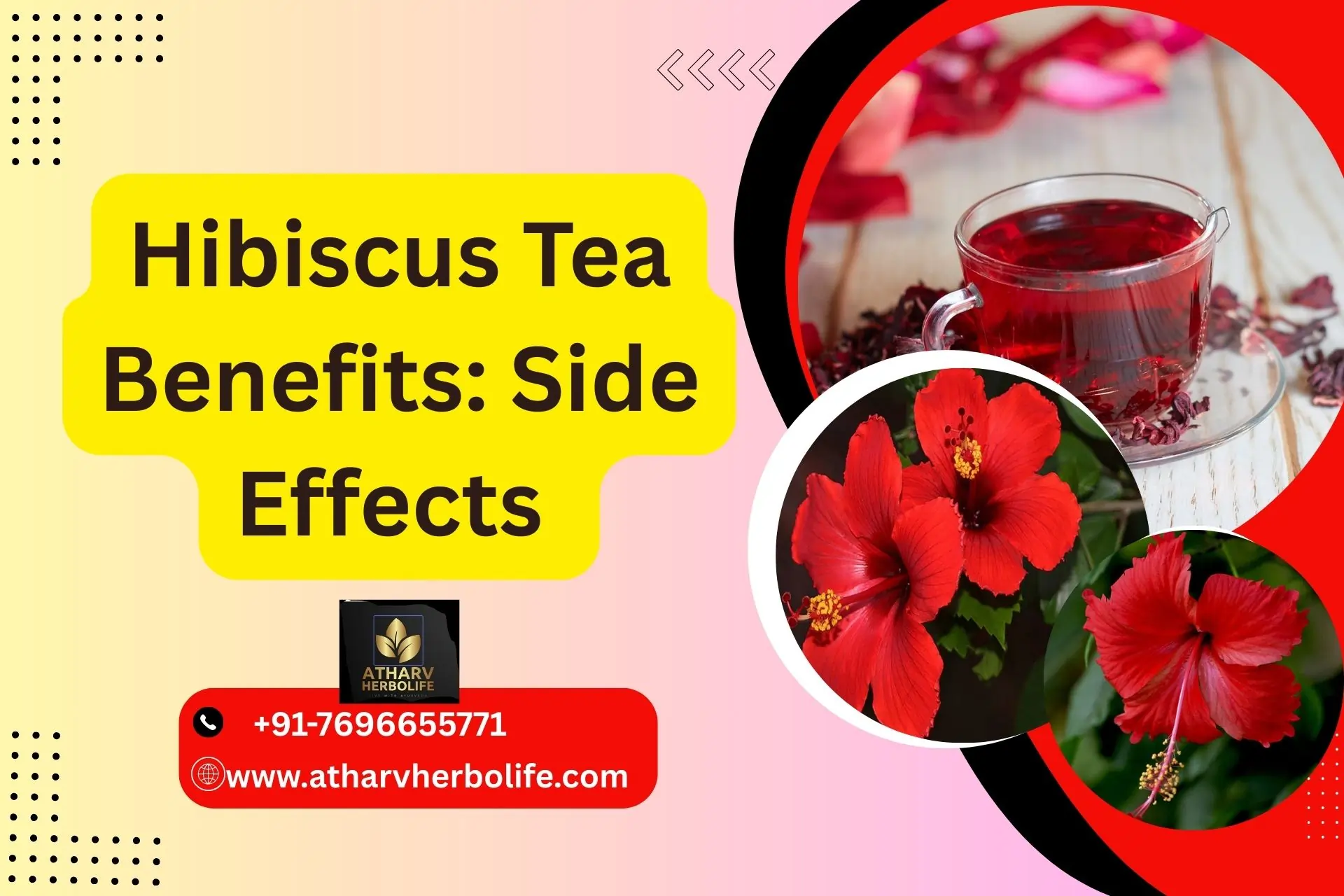
Hibiscus tea has grown into a globally admired herbal drink thanks to its bright red color, refreshing tangy taste, and powerful health properties. Because “Hibiscus Tea Benefits and Side Effects” is such a widely searched topic, it’s important to explore every angle with clarity and accuracy. This caffeine-free beverage is made from dried hibiscus calyces, which are rich in antioxidants and bioactive compounds.
What Makes Hibiscus Tea Unique
Hibiscus tea stands out because it’s one of the few natural drinks that can help improve blood pressure naturally. Its deep ruby color comes from anthocyanins—compounds known for their anti-inflammatory and heart-friendly properties.
You’ll often see hibiscus tea included in wellness trends, detox routines, and holistic healing practices because it provides quick, noticeable effects such as:
-
Instant hydration
-
Cooling effect
-
Digestive comfort
-
Mild relaxation
Nutritional Profile of Hibiscus Tea
Although hibiscus tea is low in calories, it packs several micronutrients and antioxidant compounds like:
| Nutrient | Benefit |
|---|---|
| Vitamin C | Boosts immunity |
| Polyphenols | Reduce inflammation |
| Anthocyanins | Protect heart function |
| Organic acids | Support metabolism |
These nutrients help explain why hibiscus tea’s benefits often appear in both modern and traditional healing systems.
Top Hibiscus Tea Benefits (Backed by Research)
1. Supports Healthy Blood Pressure
One of the most researched Hibiscus Tea Benefits is its ability to lower blood pressure naturally. Studies suggest that hibiscus tea works as a natural ACE inhibitor—helping arteries relax and improving overall blood flow.
People experiencing mild hypertension often see improvements within a few weeks of regular consumption.
2. Boosts Liver Health
Your liver works hard every single day—processing hormones, purifying blood, and breaking down toxins. Hibiscus tea contains antioxidants that help protect the liver from oxidative stress.
Some preliminary studies also show hibiscus may reduce liver fat, making it beneficial for people dealing with early stages of fatty liver disease.
3. Helps in Weight Management
If you’re aiming for weight loss, hibiscus tea can help by:
-
Reducing fat accumulation
-
Boosting metabolism
-
Supporting healthy digestion
-
Lowering LDL cholesterol
Because hibiscus tea is naturally tangy, it reduces sugar cravings too.
4. Strengthens Immunity
Thanks to its vitamin C content and powerful anti-inflammatory compounds, hibiscus tea supports the immune system. Regular consumption may help your body resist infections, especially seasonal colds.
5. Improves Digestion
Hibiscus tea works as a natural digestive booster. It helps:
-
Ease bloating
-
Improve bowel movements
-
Support gut-friendly bacteria
-
Reduce acidity
People often drink it after heavy meals to feel lighter and more comfortable.
Potential Side Effects of Hibiscus Tea
Understanding Hibiscus Tea Side Effects is just as important as knowing the benefits.
Risks for Low Blood Pressure
If you already have low blood pressure, hibiscus tea may reduce it further, causing:
-
Dizziness
-
Fatigue
-
Lightheadedness
Drug Interactions
Hibiscus may interact with:
-
Blood pressure medications
-
Diabetes medications
-
Anti-inflammatories
-
Diuretics
Always consult a doctor before consuming daily if you take prescription medications.
Effects on Pregnancy & Fertility
Pregnant women should avoid hibiscus tea because it may:
-
Trigger hormonal changes
-
Stimulate menstruation
-
Affect uterine contractions
Allergic Reactions
Some people may experience minor side effects like:
-
Itchy eyes
-
Sinus irritation
-
Stomach discomfort
These reactions are rare but worth noting.
How to Prepare Hibiscus Tea Correctly
Hot Brew Method
-
Boil 1 cup of water
-
Add 1–2 teaspoons of dried hibiscus
-
Let it steep for 5–7 minutes
-
Strain, and enjoy
Tip: Add honey, ginger, or lemon for extra flavor.
Cold Brew Method
-
Add 2 teaspoons hibiscus to 1 liter water
-
Refrigerate for 8–12 hours
-
Strain and serve chilled
Cold brew is smoother, less acidic, and perfect for summer.
Ideal Dosage & Usage Recommendations
Best Time to Drink
Most people prefer:
-
Morning (for metabolism)
-
Evening (for relaxation)
Avoid on an empty stomach if you experience acidity.
Safe Daily Intake
1–2 cups per day is generally safe for healthy adults.
Who Should Avoid Hibiscus Tea
People on Blood Pressure Medication
Hibiscus may enhance medication effects, lowering BP too much.
Pregnant Women
Because of its impact on hormones and uterus, hibiscus is not recommended during pregnancy.
Individuals with Low Blood Sugar
Hibiscus tea may reduce sugar levels, creating risks for diabetics on medication.
FAQs
1. Can I drink hibiscus tea every day?
Yes, but stick to 1–2 cups unless your doctor approves a higher quantity.
2. Does hibiscus tea help with weight loss?
It may assist weight loss by improving metabolism and reducing fat accumulation.
3. Is hibiscus tea good for the heart?
Yes—its antioxidants support heart health and healthy cholesterol levels.
4. Can hibiscus tea cause kidney stones?
No direct evidence links hibiscus tea to kidney stones.
5. Is hibiscus tea safe for diabetics?
Yes, but diabetics must monitor blood sugar because hibiscus may lower glucose.
6. Can hibiscus tea improve skin health?
Its antioxidants help detoxify the body, which may indirectly improve skin clarity.
Conclusion
Hibiscus tea offers a powerful combination of health benefits—from improved blood pressure to weight management—making it one of the best herbal teas available. However, understanding its side effects ensures safe consumption. Whether you enjoy it hot or cold, hibiscus tea can be an excellent daily wellness choice when used responsibly.