

Blog
Moringa Soup and Powder Benefits for Health

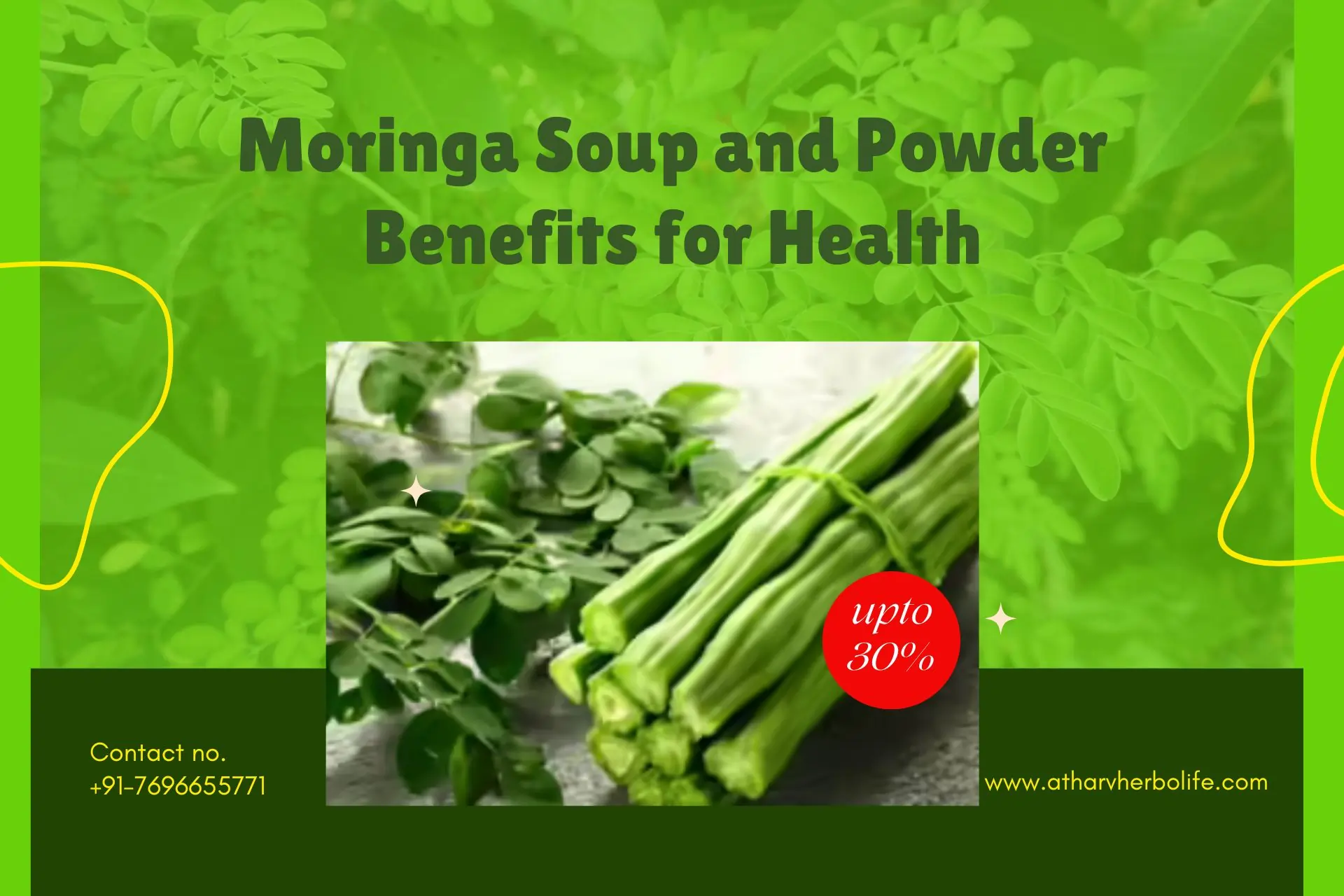
Moringa Soup and Powder: Amazing Benefits for Health and Wellness
Introduction to Moringa
What is Moringa?
Moringa, scientifically called Moringa oleifera, is a versatile plant native to South Asia and Africa, widely celebrated for its medicinal, nutritional, and culinary value. Known as the “drumstick tree” in India and “miracle tree” worldwide, moringa has been used for centuries in Ayurveda and traditional healing practices. Every part of the tree—leaves, pods, seeds, flowers, and even roots—offers unique benefits.
The fresh leaves are often cooked into soups, stews, and curries, while the dried leaves are ground into a fine green powder. This powder has become globally popular as a superfood because of its rich nutritional profile. From combating malnutrition in developing nations to supporting modern wellness lifestyles, moringa has established itself as a health-promoting powerhouse.
Why is Moringa Called the “Miracle Tree”?
Moringa earns the title “Miracle Tree” because of its unmatched nutrient density and resilience. It thrives even in dry, arid regions where other crops fail, making it a lifesaver for communities facing food shortages. Nutritionally, moringa outshines many everyday foods:
-
7x more vitamin C than oranges
-
4x more calcium than milk
-
25x more iron than spinach
-
3x more potassium than bananas
On top of that, moringa contains powerful plant compounds with anti-inflammatory, antioxidant, and antimicrobial properties. Its ability to support immunity, manage chronic conditions, and provide essential nutrients makes it a truly “miraculous” plant.
Nutritional Profile of Moringa
Vitamins and Minerals in Moringa
Moringa leaves and powder are loaded with essential micronutrients:
-
Vitamin A – supports vision and immunity
-
Vitamin C – boosts immunity and collagen synthesis
-
Vitamin E – protects cells from oxidative damage
-
Vitamin K – vital for bone and blood health
-
Calcium & Magnesium – strengthen bones and muscles
-
Iron & Zinc – improve blood circulation, skin, and hair health
Unlike synthetic supplements, moringa delivers these nutrients in a natural, bioavailable form, making absorption easier for the body.
Protein, Fiber, and Antioxidants
One of moringa’s unique qualities is its complete protein content—it contains all nine essential amino acids, making it ideal for vegetarians and vegans. Along with protein, moringa is high in fiber, which aids digestion and weight management.
Equally important is its antioxidant richness. Compounds like quercetin and chlorogenic acid fight free radicals, reducing oxidative stress and lowering the risk of chronic diseases. These antioxidants also protect skin cells, slowing down premature aging.
How Moringa Compares to Other Superfoods
When compared to kale, spinach, and matcha, moringa emerges as one of the most nutrient-dense superfoods. For example, while spinach is rich in iron, moringa offers 25 times more iron in the same quantity. Similarly, compared to kale, moringa has significantly higher calcium levels. Its versatility as a powder or leaf makes it easy to include in everyday meals.
Health Benefits of Moringa Soup
Boosts Immunity and Fights Infections
Moringa soup is a natural immune booster. Rich in vitamins A, C, and E, it enhances white blood cell production and improves resistance to infections. Traditional remedies in Asia and Africa use moringa soup to aid recovery from flu, cold, and bacterial illnesses. Its antimicrobial compounds also fight harmful bacteria and fungi, strengthening the body’s defenses.
Supports Weight Management and Digestion
Moringa soup is low in calories yet high in fiber, keeping you full for longer and reducing unhealthy snacking. Its fiber content regulates bowel movements, prevents bloating, and supports gut health. Moreover, moringa helps stabilize blood sugar levels, which is crucial for appetite control and weight management.
Improves Skin Health and Hair Growth
Moringa soup nourishes skin and hair from within. Vitamin E and antioxidants slow down aging signs like wrinkles and fine lines, while vitamin A boosts collagen production. Iron improves oxygen supply to hair follicles, preventing thinning, while protein strengthens hair strands. Regular consumption of moringa soup promotes glowing skin and healthy hair growth.
Health Benefits of Moringa Powder
Natural Energy Booster Without Caffeine
Unlike coffee or energy drinks, moringa powder delivers sustainable energy without jitters. Iron and magnesium in moringa improve oxygen circulation and muscle performance, reducing fatigue and boosting focus. Athletes often add moringa powder to shakes for better endurance and faster recovery.
Controls Blood Sugar and Cholesterol
Scientific studies show that moringa compounds slow sugar absorption, stabilizing blood glucose levels—beneficial for managing diabetes. It also reduces LDL cholesterol and triglycerides while improving HDL cholesterol, supporting overall heart health.
Anti-Inflammatory and Detoxifying Properties
Chronic inflammation contributes to arthritis, obesity, and heart disease. Moringa’s natural isothiocyanates help lower inflammation and ease joint pain. Additionally, moringa supports liver function and flushes out toxins, making it a powerful detoxifying agent.
How to Make Moringa Soup at Home
Ingredients for Moringa Soup
-
1 cup fresh moringa leaves (or 2 tbsp moringa powder)
-
1 onion, chopped
-
2 garlic cloves, minced
-
1 tomato, diced
-
2 cups vegetable or chicken broth
-
1 tbsp olive or coconut oil
-
Salt and pepper to taste
-
Optional: ginger, spinach, carrots, or herbs for flavor
Step-by-Step Recipe
-
Heat oil in a pot and sauté onion, garlic, and tomato.
-
Add broth and bring to a boil.
-
Stir in moringa leaves or powder, simmer 5–7 minutes.
-
Season with salt, pepper, and spices.
-
Serve hot and enjoy.
This simple recipe takes under 20 minutes and delivers a nourishing, antioxidant-rich meal.
Variations Across Cultures
-
Philippines: Chicken “Tinola” with moringa, ginger, and green papaya
-
Africa: Peanut and vegetable stews enriched with moringa leaves
-
India: Lentil-based “Sambar” with moringa leaves and tamarind
These global variations highlight moringa’s adaptability in different cuisines.