
Blog
Pumpkin Seeds Benefits in Ayurveda Guide | Atharv Herbolife

Pumpkin Seeds Benefits for Health in Ayurveda – Atharv Herbolife Guide for Wellness Blogs
Introduction to Pumpkin Seeds in Ayurveda
What Are Pumpkin Seeds?
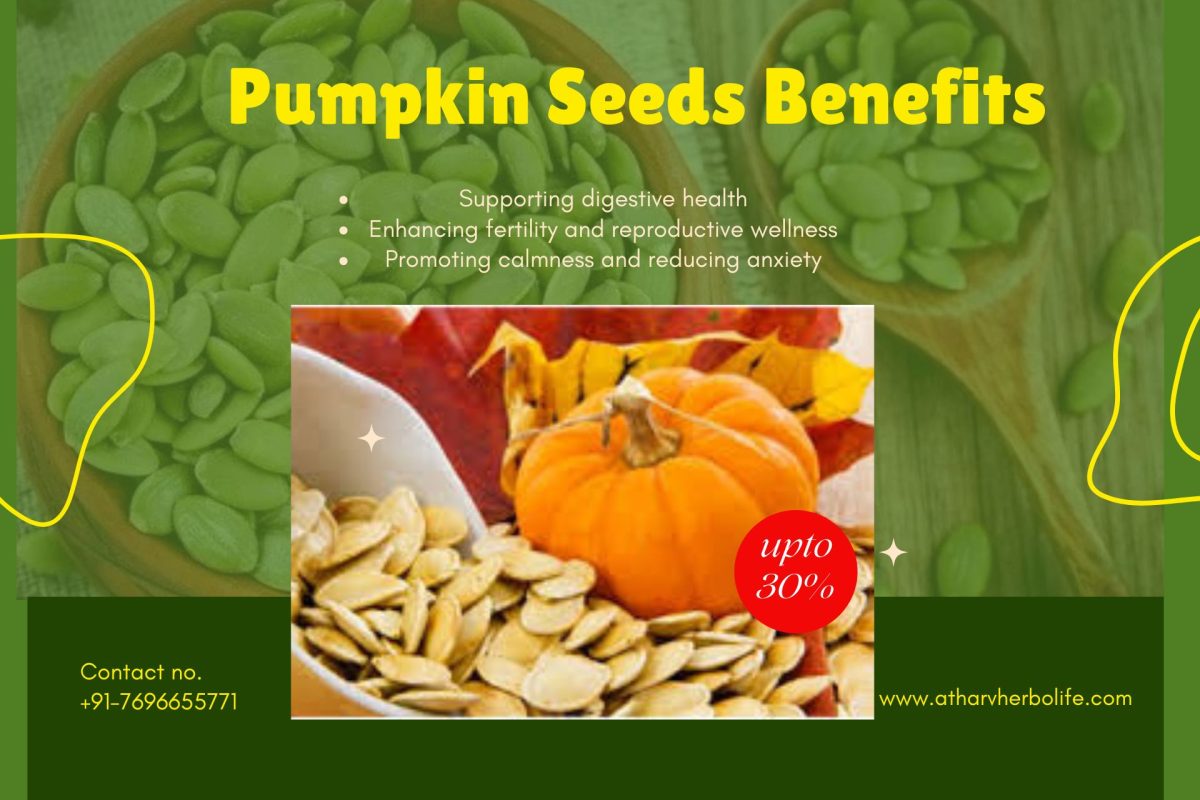
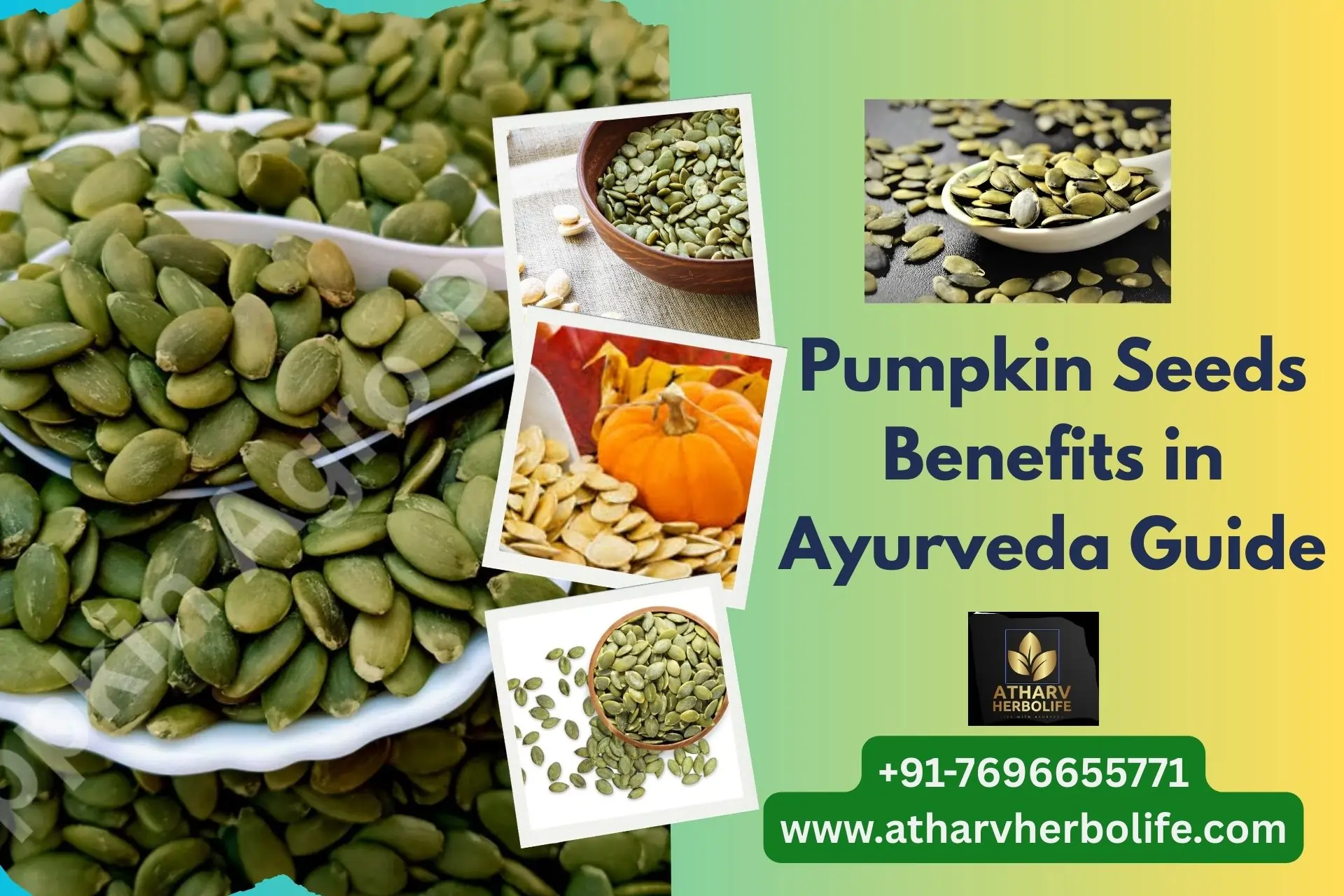
Pumpkin seeds—often called pepitas—are tiny green nutritional powerhouses hidden inside pumpkins. Don’t let their size fool you. These little gems pack a punch of nutrients strong enough to rival many superfoods. Think of them as nature’s multivitamin wrapped in a crunchy shell.
Ayurvedic Perspective on Seeds and Nuts
In Ayurveda, seeds symbolize potential energy and vitality. They’re considered concentrated sources of life force (prana). Seeds like pumpkin are believed to nourish tissues, strengthen immunity, and promote longevity when consumed mindfully.
Nutritional Profile of Pumpkin Seeds
Key Vitamins and Minerals
Pumpkin seeds are loaded with magnesium, zinc, iron, potassium, and phosphorus. They also contain vitamin E and B-complex vitamins. Magnesium alone supports hundreds of biochemical reactions in your body—like a silent manager keeping everything running smoothly.
Macronutrient Breakdown
These seeds provide a balanced trio:
-
Healthy fats
-
Plant protein
-
Dietary fiber
This combination helps maintain energy levels and keeps you full longer. It’s like fueling your body with slow-burning premium fuel instead of quick-burn sugar.
Ayurvedic Properties of Pumpkin Seeds
Rasa (Taste)
Pumpkin seeds are primarily sweet and slightly bitter. The sweet taste nourishes tissues, while bitterness supports detoxification.
Virya (Potency)
They are considered mildly cooling, which helps soothe excess heat in the body.
Dosha Effects
-
Balances Vata due to healthy oils
-
Pacifies Pitta with cooling energy
-
May increase Kapha if eaten excessively
Top Health Benefits of Pumpkin Seeds
Boosts Immunity
Pumpkin seeds contain zinc, a mineral essential for immune cell development. Regular intake helps your body fight infections like a well-trained army guarding a fortress.
Supports Heart Health
Their magnesium and healthy fats help regulate blood pressure and cholesterol. Think of them as tiny mechanics keeping your cardiovascular engine running smoothly.
Enhances Digestion
Fiber content improves gut movement and nourishes beneficial bacteria. Ayurveda considers good digestion the root of health, and pumpkin seeds support that digestive fire without overheating it.
Improves Sleep Quality
They contain tryptophan, an amino acid linked to serotonin and melatonin production. A small handful before bed may help you drift into restful sleep like a boat gently rocking on calm water.
Strengthens Bones
Magnesium and phosphorus strengthen bones and teeth. This makes pumpkin seeds particularly useful for aging individuals and athletes.
Pumpkin Seeds for Men’s Health
Prostate Support
Traditional wellness systems value pumpkin seeds for supporting prostate function. Zinc plays a major role in maintaining male reproductive health.
Energy and Stamina
Protein, iron, and healthy fats contribute to sustained energy levels. Instead of energy spikes and crashes, you get steady vitality throughout the day.
Pumpkin Seeds for Women’s Health
Hormonal Balance
Pumpkin seeds contain phytoestrogens that may help regulate hormones. Many women find them helpful during PMS or menopause phases.
Skin and Hair Benefits
Rich in antioxidants and essential fatty acids, these seeds nourish skin from within and strengthen hair roots. Beauty, after all, starts inside—not in a bottle.
Role in Detoxification According to Ayurveda
Ayurveda emphasizes cleansing toxins (ama) from the body. Pumpkin seeds support liver function and intestinal cleansing due to their fiber and antioxidant content. They act like a gentle broom sweeping away internal waste.
How to Consume Pumpkin Seeds Properly
Raw vs Roasted
-
Raw: Higher nutrient retention
-
Roasted: Better taste and digestion
Light roasting is often recommended to improve digestibility without destroying nutrients.
Ideal Daily Intake
A tablespoon or small handful per day is usually enough. Overeating can lead to heaviness or digestive discomfort.
Best Time to Eat
Morning or midday is ideal because digestion is strongest then. Eating them late at night may feel heavy for some individuals.
Ayurvedic Recipes Using Pumpkin Seeds
Herbal Seed Mix
Combine pumpkin seeds, fennel, sesame, and coriander seeds. Roast lightly and consume after meals to aid digestion.
Pumpkin Seed Chutney
Blend pumpkin seeds with mint, ginger, lemon juice, and rock salt. This chutney pairs beautifully with meals and adds both flavor and nutrition.
Possible Side Effects and Precautions
While generally safe, excessive consumption may cause:
-
Bloating
-
Mild digestive discomfort
-
Calorie overload
Individuals with seed allergies should avoid them. Moderation is the golden rule—Ayurveda always stresses balance over excess.
Why Ayurvedic Brands Use Pumpkin Seeds
Natural health formulations often include pumpkin seeds because they offer multi-benefit nutrition in a single ingredient. Their versatility makes them suitable for powders, capsules, and herbal blends designed for immunity, digestion, and vitality.
Tips for Buying Quality Pumpkin Seeds
When purchasing:
-
Choose organic if possible
-
Avoid seeds with artificial flavoring
-
Check for freshness and color
-
Prefer airtight packaging
Fresh seeds should smell mild and nutty, not rancid.
Storage Guidelines
Store them in an airtight container in a cool, dry place. Refrigeration extends shelf life and prevents oils from turning rancid. Proper storage keeps their nutrients intact for months.
Comparing Pumpkin Seeds With Other Seeds
Pumpkin vs Sunflower
Pumpkin seeds contain more zinc and magnesium, while sunflower seeds provide more vitamin E.
Pumpkin vs Flax
Flax seeds excel in omega-3 fatty acids, but pumpkin seeds provide more protein and minerals. Each has unique strengths, so variety is best.
Who Should Include Them in Diet
Pumpkin seeds are ideal for:
-
Students needing brain fuel
-
Athletes requiring stamina
-
Elderly individuals needing bone support
-
Busy professionals seeking healthy snacks
Basically, if you’re human and you eat food, pumpkin seeds can probably help you.
Conclusion
Pumpkin seeds may be small, but their impact on health is enormous. From boosting immunity and improving sleep to supporting digestion and hormonal balance, they’re like nature’s compact wellness kit. Ayurveda values them for their nourishing, balancing, and strengthening properties, making them a smart addition to daily nutrition. When eaten mindfully and in moderation, these tiny seeds can quietly transform your health from the inside out. Add them to your routine, and you might just discover that big wellness truly can come in small packages.
FAQs
1. Can pumpkin seeds be eaten daily?
Yes, a small handful daily is safe and beneficial for most people.
2. Are pumpkin seeds good for weight loss?
Yes. Their protein and fiber keep you full longer, reducing overeating.
3. Do pumpkin seeds help with sleep?
They may support better sleep because they contain tryptophan and magnesium.
4. Are roasted pumpkin seeds less nutritious?
Light roasting slightly reduces nutrients but improves digestion and taste.
5. Can children eat pumpkin seeds?
Yes, in small quantities. They provide essential minerals for growth.