
Blog
Best Ayurvedic Herbs for Energy and Immunity in the Winter


Best Ayurvedic Herbs for Energy and Immunity in the Winter Season
1. Introduction: Winter and Ayurveda
In Ayurveda, winter is divided into two seasons: Hemanta (early winter) and Shishira (late winter). During this time, the environment becomes cold, dry, and heavy. According to Ayurvedic principles, digestive fire (Agni) becomes naturally stronger in winter, meaning the body can digest nourishing foods and herbs more effectively.
However, winter also increases Kapha dosha (heaviness, sluggishness, mucus) and may aggravate Vata dosha (dryness, stiffness, low energy). As a result, many people experience:
-
Low energy or fatigue
-
Frequent colds and coughs
-
Weak immunity
-
Body stiffness and lethargy
Ayurveda recommends warming, strengthening, and rejuvenating herbs during winter to:
-
Build long-lasting energy
-
Strengthen immunity
-
Improve stamina and resistance to illness
These herbs work gradually, supporting the body’s natural systems rather than giving instant stimulation.
2. Understanding Energy and Immunity in Ayurveda
Energy (Ojas)
In Ayurveda, true energy comes from Ojas, the subtle essence formed after proper digestion and tissue nourishment. Strong Ojas means:
-
High immunity
-
Physical and mental strength
-
Emotional balance
Immunity (Vyadhikshamatva)
Immunity is not just the absence of disease, but the body’s ability to resist, adapt, and recover from illness. Winter herbs focus on:
-
Improving digestion
-
Nourishing tissues
-
Supporting respiratory health
-
Enhancing resilience
3. Ashwagandha – The King of Winter Rejuvenation
Botanical name: Withania somnifera
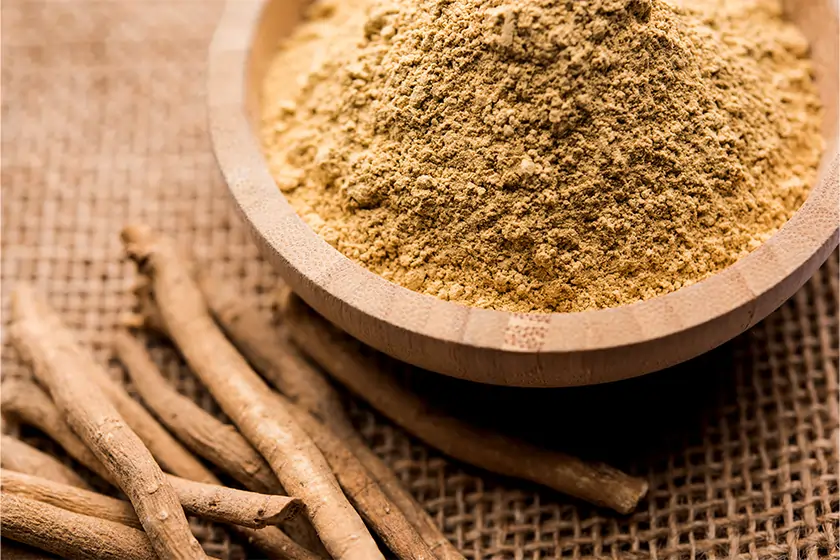
Ashwagandha is one of the most important Rasayana (rejuvenative) herbs in Ayurveda and is especially effective during winter.
Why Ashwagandha is ideal for winter
-
Naturally warming
-
Nourishes muscles and nerves
-
Builds strength without overstimulation
Benefits for Energy
-
Reduces physical and mental fatigue
-
Improves stamina and endurance
-
Supports healthy sleep, which restores energy
Benefits for Immunity
-
Strengthens immune response
-
Helps the body adapt to cold stress
-
Supports recovery after illness
Who benefits most
-
Students with study fatigue
-
People feeling weak or tired in cold weather
-
Those under mental or physical stress
Ashwagandha works slowly but deeply, making it a classic winter tonic.
4. Chyawanprash – The Traditional Winter Shield
Nature: Herbal jam made mainly from Amla and many herbs
Chyawanprash has been used for centuries in India as a daily winter health supplement.
Why Chyawanprash is special
-
Combines many immunity-boosting herbs
-
Easy to consume
-
Gentle and nourishing
Benefits for Energy
-
Improves daily vitality
-
Reduces seasonal weakness
-
Supports metabolism
Benefits for Immunity
-
Protects against colds and cough
-
Strengthens lungs and respiratory system
-
Enhances resistance to infections
Ideal for
-
Children and teenagers
-
People who get sick often in winter
-
Daily winter health maintenance
Because it is food-based, Chyawanprash is often considered safer than single strong herbs.
5. Guduchi (Giloy) – The Immune Protector
Botanical name: Tinospora cordifolia
Guduchi is called “Amrita” in Ayurveda, meaning “nectar of immortality.”
Winter relevance
-
Balances Kapha and Vata
-
Reduces seasonal infections
-
Detoxifies gently
Benefits for Energy
-
Reduces tiredness caused by infections
-
Supports metabolism
-
Improves overall vitality
Benefits for Immunity
-
Enhances immune response
-
Helps fight recurrent fever, cold, and flu
-
Supports recovery from illness
Guduchi is especially useful for people who feel weak after being sick in winter.
6. Amla – The Natural Rejuvenator
Botanical name: Emblica officinalis
Amla is one of the richest natural sources of Vitamin C and is a core Ayurvedic Rasayana.
Why Amla works well in winter
-
Strengthens digestion
-
Prevents seasonal deficiencies
-
Balances all three doshas
Benefits for Energy
-
Improves iron absorption
-
Reduces fatigue
-
Supports tissue nourishment
Benefits for Immunity
-
Enhances antioxidant defense
-
Protects against infections
-
Strengthens respiratory health
Amla is cooling by nature, but when used in winter (often combined with warming herbs), it supports immunity without disturbing balance.
7. Shilajit – Deep Energy and Strength Tonic
Nature: Mineral-rich resin found in mountains
Shilajit is considered one of the most powerful strength-building substances in Ayurveda.
Why Shilajit is used in winter
-
Extremely warming
-
Enhances absorption of nutrients
-
Supports physical strength
Benefits for Energy
-
Improves stamina
-
Reduces weakness
-
Enhances cellular energy production
Benefits for Immunity
-
Strengthens resistance
-
Improves recovery
-
Supports overall vitality
⚠️ Shilajit is very potent and should only be used under guidance, especially for younger people.
8. Tulsi – The Winter Respiratory Guardian
Botanical name: Ocimum sanctum
Tulsi is a sacred plant in Ayurveda, widely used during winter.
Winter importance
-
Protects lungs
-
Reduces mucus buildup
-
Supports immunity
Benefits for Energy
-
Clears respiratory blockage
-
Improves oxygen utilization
-
Reduces fatigue from colds
Benefits for Immunity
-
Fights infections
-
Protects against cough and cold
-
Strengthens respiratory defenses
Tulsi is especially helpful during seasonal changes and cold waves.
9. Yashtimadhu (Licorice) – Gentle Strength and Immunity
Botanical name: Glycyrrhiza glabra
Yashtimadhu is sweet, nourishing, and soothing.
Winter benefits
-
Prevents dryness
-
Soothes throat and lungs
-
Supports strength gently
Benefits for Energy
-
Helps with weakness
-
Supports adrenal balance
-
Reduces exhaustion
Benefits for Immunity
-
Protects respiratory lining
-
Reduces irritation and inflammation
-
Supports recovery from cough
It is gentle but should not be overused for long periods.
10. Pippali – Metabolic and Immune Enhancer
Botanical name: Piper longum
Pippali is a warming spice-herb used widely in winter.
Winter role
-
Improves digestion
-
Clears mucus
-
Enhances herb absorption
Benefits for Energy
-
Improves metabolic efficiency
-
Reduces sluggishness
-
Supports endurance
Benefits for Immunity
-
Strengthens respiratory system
-
Prevents recurrent colds
-
Enhances immune response
Often used in small amounts with other herbs.
11. How These Herbs Work Together in Winter
Ayurveda rarely relies on a single herb. Instead, herbs:
-
Improve digestion
-
Nourish tissues
-
Support immunity
-
Build Ojas gradually
Winter is the best season for Rasayana therapy, meaning rejuvenation and strength building.
12. Safety and Age Considerations
For teenagers and young people:
-
Prefer food-based formulations (like Chyawanprash, Amla)
-
Avoid strong herbs without guidance
-
Do not self-medicate or mix herbs randomly
-
Always inform parents or guardians
Ayurvedic herbs are natural, but natural does not mean risk-free.
13. Lifestyle Support for Winter Energy and Immunity
Herbs work best when supported by lifestyle:
-
Eat warm, freshly cooked food
-
Avoid cold drinks and excessive junk food
-
Sleep adequately
-
Stay physically active
-
Keep the body warm
14. Conclusion
Winter is a powerful season for building energy, strength, and immunity according to Ayurveda. Herbs like Ashwagandha, Chyawanprash, Guduchi, Amla, Tulsi, and others help the body adapt to cold, resist illness, and maintain vitality.
Rather than providing quick stimulation, these herbs:
-
Strengthen digestion
-
Nourish tissues
-
Build long-lasting immunity
-
Support natural energy
When chosen wisely and used responsibly, Ayurvedic herbs can be valuable allies for winter health.
FAQs – Best Ayurvedic Herbs for Energy and Immunity in Winter
Which Ayurvedic herb is best for winter immunity?
Ashwagandha, Chyawanprash, Guduchi, and Amla are among the best herbs for winter immunity.
Are Ayurvedic herbs safe for winter use?
Yes, when used correctly and in proper amounts. Strong herbs should be taken under guidance.
Can these herbs be taken daily in winter?
Food-based formulations like Chyawanprash and Amla are commonly used daily during winter.
Do Ayurvedic herbs give instant energy?
No. They work gradually by strengthening the body from within.
Conclusion
Ayurveda offers powerful, natural solutions for maintaining energy and immunity during the winter season. Herbs such as Ashwagandha, Chyawanprash, Guduchi, Amla, Tulsi, and Shilajit help the body adapt to cold weather, resist infections, and build lasting strength.
When used responsibly and supported by a healthy winter lifestyle, these Ayurvedic herbs can help you stay energetic, resilient, and well throughout the cold months.