

Blog
Ashwagandha Benefits Ayurveda: Healing & Wellness Guide

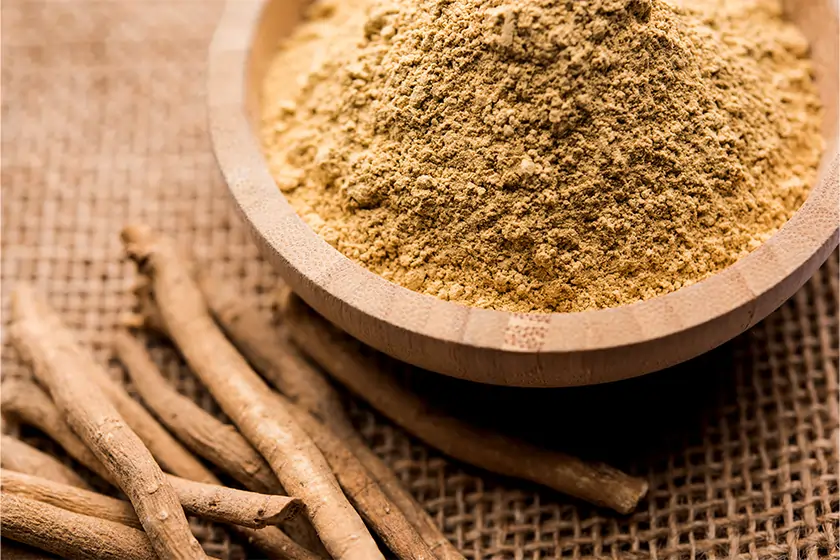
Benefits of Ashwagandha in Ayurveda: A Complete Guide to Healing and Wellness
Ashwagandha, one of the most powerful herbs in Ayurvedic medicine, has been treasured for over 3,000 years for its remarkable healing potential. Known as Indian ginseng or winter cherry, this adaptogenic herb has gained global recognition for its ability to restore balance, strengthen the body, and promote mental clarity.
In this article, we’ll explore the history, traditional uses, and scientifically proven benefits of ashwagandha, along with its role in Ayurveda and modern supplementation.
What is Ashwagandha?
Ashwagandha (Withania somnifera) is a small shrub native to India and North Africa. Its roots and berries are packed with bioactive compounds, especially withanolides, that provide therapeutic effects. Thriving in dry climates, this resilient plant has long been a staple in herbal remedies designed to support vitality, reduce stress, and improve longevity.
Historical Significance in Ayurveda
Ayurvedic texts describe ashwagandha as a Rasayana herb, meaning a rejuvenator that nourishes the body, mind, and soul. Traditionally, it was used to:
-
Boost energy and stamina
-
Strengthen immunity
-
Promote restful sleep
-
Support longevity
Its versatility made it a trusted remedy for fatigue, weakness, and chronic health conditions, offering holistic healing that aligns with Ayurveda’s core philosophy of balance and harmony.
Top Health Benefits of Ashwagandha
1. Stress and Anxiety Relief
One of the most celebrated benefits of ashwagandha is its ability to lower stress. By reducing cortisol—the body’s primary stress hormone—it helps calm the nervous system, ease anxiety, and promote relaxation.
-
How it works: Ashwagandha acts as an adaptogen, enhancing the body’s resilience to stress.
-
Mental health impact: Regular intake can improve sleep quality, reduce symptoms of anxiety, and support emotional stability.
2. Enhances Cognitive Function
Ashwagandha is widely recognized as a natural brain booster. It improves concentration, memory, and mental clarity.
-
Scientific support: Studies show that it reduces oxidative stress and inflammation in the brain, protecting against cognitive decline.
-
Learning and memory: It promotes neuron regeneration and synaptic plasticity, vital for learning and retaining new information.
3. Improves Physical Performance
For athletes and fitness enthusiasts, ashwagandha is a powerful performance enhancer.
-
Strength and endurance: Research indicates that supplementation can increase muscle mass, improve VO₂ max (oxygen uptake), and speed up recovery.
-
Active lifestyles: It reduces fatigue, improves stamina, and supports overall physical resilience.
4. Supports Heart Health
Ashwagandha contributes to cardiovascular wellness by regulating cholesterol and blood pressure.
-
Protective properties: Its antioxidants reduce inflammation and prevent arterial plaque buildup.
-
Long-term benefits: Consistent use supports healthy circulation, lowers heart disease risk, and improves lipid profiles.
Ashwagandha in Ayurvedic Healing
Balancing Doshas
Ayurveda views health as a balance between the three doshas—Vata, Pitta, and Kapha. Ashwagandha pacifies Vata and Kapha imbalances, making it effective for calming the mind, improving sleep, and enhancing physical strength.
As a Rasayana Herb
Being a Rasayana, ashwagandha rejuvenates tissues, strengthens immunity, and promotes longevity. It’s often prescribed to restore energy and vitality in those experiencing stress or chronic illness.
Synergistic Use with Other Herbs
In Ayurvedic formulations, ashwagandha is frequently blended with herbs like Shatavari (for reproductive health) and Brahmi (for mental clarity), creating a holistic tonic for complete well-being.
Ashwagandha Supplements: How to Use Them Safely
Ashwagandha is available in various forms—powders, capsules, teas, and tinctures—making it easy to include in your wellness routine.
Choosing the Right Supplement
-
Look for standardized extracts with verified withanolide content.
-
Choose trusted brands that undergo third-party testing for quality and purity.
Dosage and Usage
-
Recommended daily dosage: 300–600 mg.
-
Start with a lower dose and increase gradually.
-
Always consult a healthcare professional before starting supplementation.
Possible Side Effects
Most people tolerate ashwagandha well, but mild side effects like digestive upset or drowsiness may occur. Pregnant or breastfeeding women should avoid it unless recommended by a doctor.
Conclusion: Why Ashwagandha is Essential for Modern Wellness
Ashwagandha’s benefits extend across mind, body, and spirit, making it a true powerhouse in Ayurvedic medicine. Whether you’re seeking stress relief, better focus, improved stamina, or heart health, this ancient herb provides a natural solution for today’s wellness challenges.
By incorporating ashwagandha into your daily routine, you can embrace the wisdom of Ayurveda and unlock greater vitality, balance, and harmony in life.
Discover the transformative power of ashwagandha—your natural path to health, resilience, and rejuvenation.